By John Bukuku – Dar es Salaam
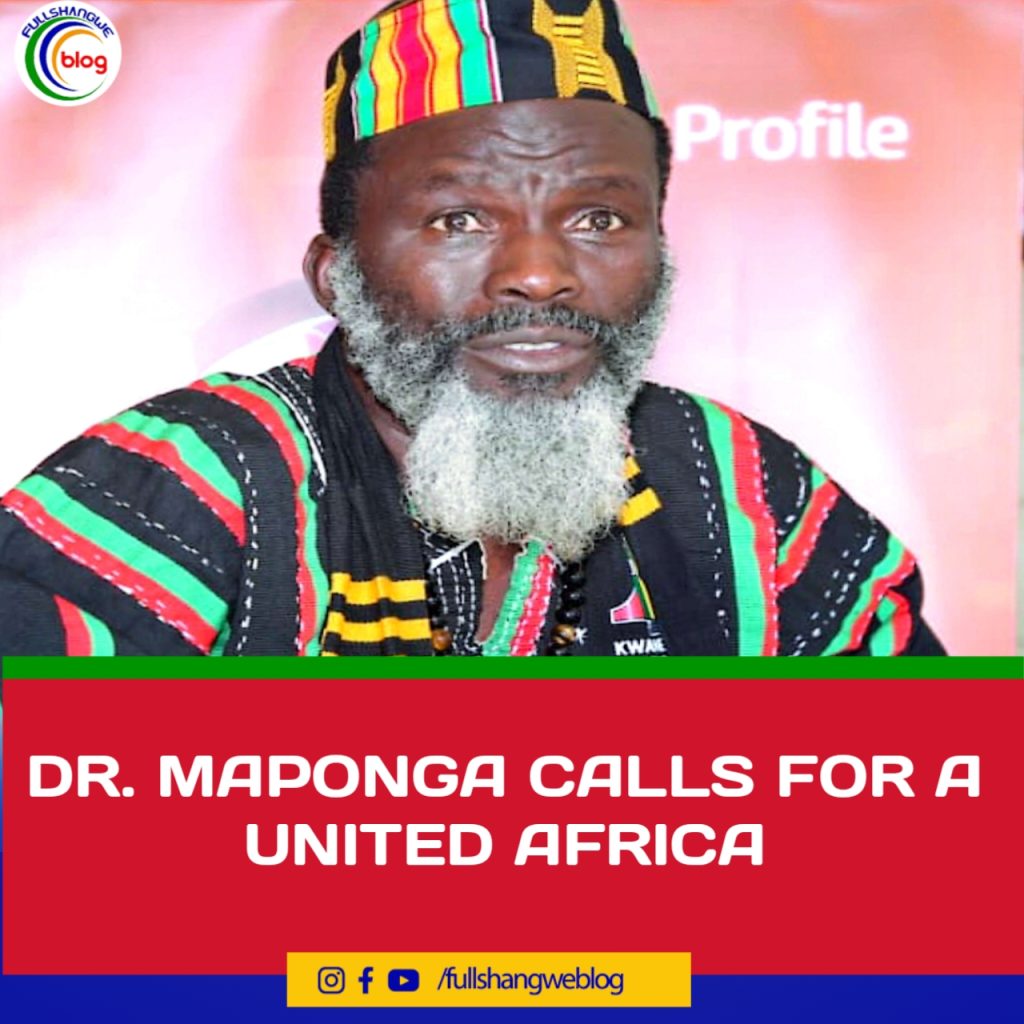
ZIMBABWEAN philosopher and Pan-African activist Dr Joshua Maponga has renewed his call for African unity, urging Africans to view the continent as a single nation rather than a collection of fragmented states shaped by colonial boundaries.
Speaking to journalists on January 22, 2026, at the Holiday Inn Hotel in Dar es Salaam, Dr Maponga said Africa’s political, economic and social challenges are shared and can only be effectively addressed through collective continental solutions.
He noted that historical ties bind African nations far more deeply than modern borders suggest. As an example, he said some Zimbabweans trace their ancestral roots to the Great Rift Valley, placing Tanzania at the heart of their historical and cultural identity.
Dr Maponga described Tanzania, formerly Tanganyika, as a central pillar in Africa’s liberation history, citing its role as a launchpad for political movements and freedom struggles across Southern and Eastern Africa.
According to him, the liberation of South Africa, Zambia, Namibia, Zimbabwe, Mozambique, Uganda and Kenya was closely linked to Tanzania’s support during the independence era. He added that Tanzania’s influence extended far beyond the region through the leadership of Mwalimu Julius Nyerere.
He said Nyerere’s vision, alongside that of leaders such as Kwame Nkrumah, laid the ideological foundation for Pan-Africanism and the long-standing dream of a united Africa.
Dr Maponga explained that his visit to Tanzania is part of a broader continental journey to honour Africa’s liberation icons, including Nelson Mandela, Samora Machel, Thomas Sankara and Kwame Nkrumah.
He stressed that Africa’s problems are deeply interconnected, noting that political instability, economic hardship and external financial pressures cut across national borders.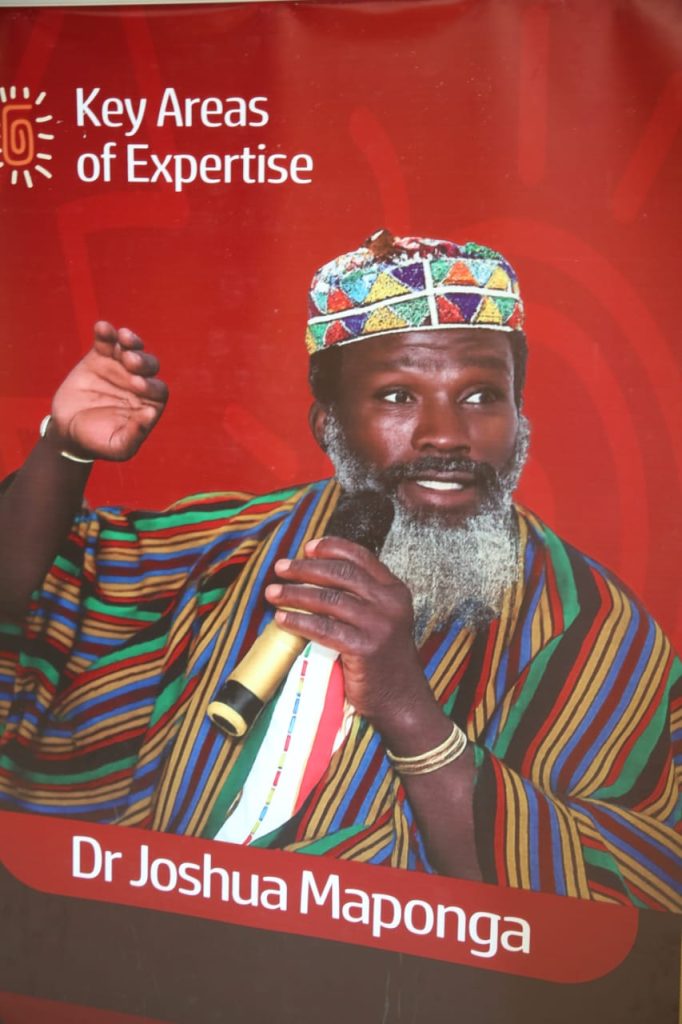
He pointed to the continued influence of international financial institutions such as the World Bank and the International Monetary Fund, arguing that their policies affect African countries in similar ways and reflect shared continental challenges.
Dr Maponga also highlighted Africa’s marginalisation in global decision-making, noting that despite representation at the United Nations, African voices remain largely excluded from powerful international forums.
According to him, Africa should be viewed as one country made up of provinces, with nations such as Tanzania and Zimbabwe forming part of a broader African state.
He said young Pan-Africanists are actively working to revive this vision, despite continued efforts by global powers to exploit Africa’s divisions.
Dr Maponga argued that many governance challenges on the continent are rooted in colonial systems inherited rather than designed by Africans themselves. These systems, he said, continue to fuel political divisions and weaken unity.
He called on Tanzanian youth to embrace the Pan-African vision championed by Mwalimu Nyerere and to take an active role in shaping Africa’s future.
He added that his visit also aimed to assess the post-election political environment and to evaluate the readiness of young people to participate meaningfully in leadership and governance.
Dr Maponga warned that changing leaders without transforming systems and mindsets would not resolve Africa’s challenges, stressing that the continent’s struggles are systemic rather than individual.
He questioned the assumption that democracy is the only pathway to development, noting that some of the world’s most economically successful nations operate under alternative governance models.
He emphasised that Africa existed, functioned and developed long before modern democratic systems, and must therefore critically reassess the structures it has adopted.
Dr Maponga further cited the Berlin Conference as a historical turning point that imposed artificial borders, dividing communities, cultures and identities without African consent.
Pointing to political instability in parts of Southern Africa, he warned that no African country is immune to systemic failure and called for greater regional awareness and cooperation.
He concluded by stressing the central role of youth in governance, noting that decisions made today will define Africa’s future. Education, he said, remains the most powerful tool for safeguarding that future and strengthening unity across the continent.