Imagine starting the day knowing water will be available when you need it. Families could prepare meals, children could get ready for school, businesses could open, and schools and health facilities could work without worrying about water interruptions.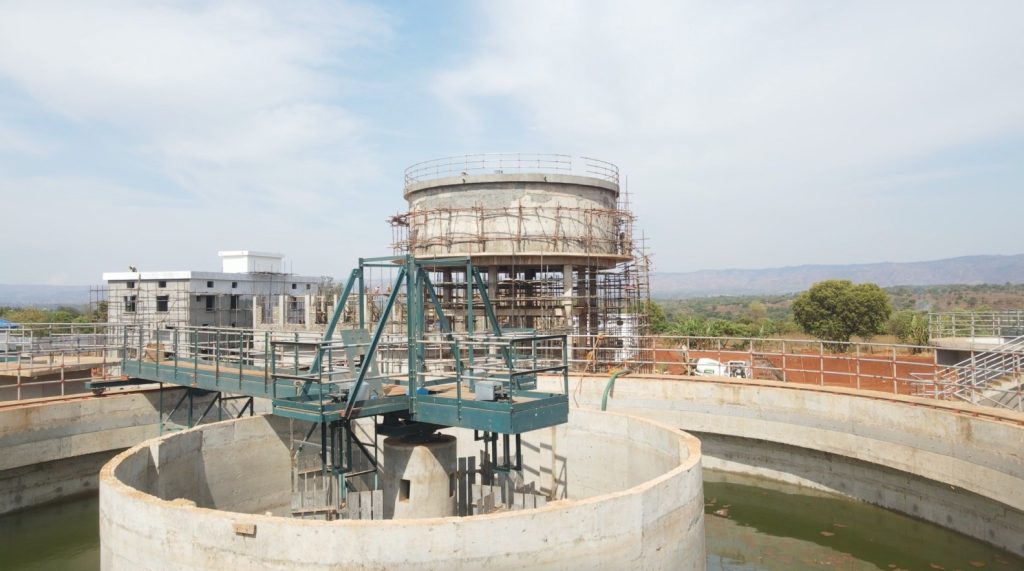 That is the goal of the 28 Towns Water Project in Njombe. The project aims to increase the town’s water supply, extend the distribution network and make service more reliable.
The project is being implemented in Njombe Municipality at a cost of about US$15.1 million. It is funded by the Government of Tanzania through a concessional loan from the Government of India. Work began in April 2024 and is scheduled for completion on 26 November 2026. By September 2026, overall progress had reached 71 percent.
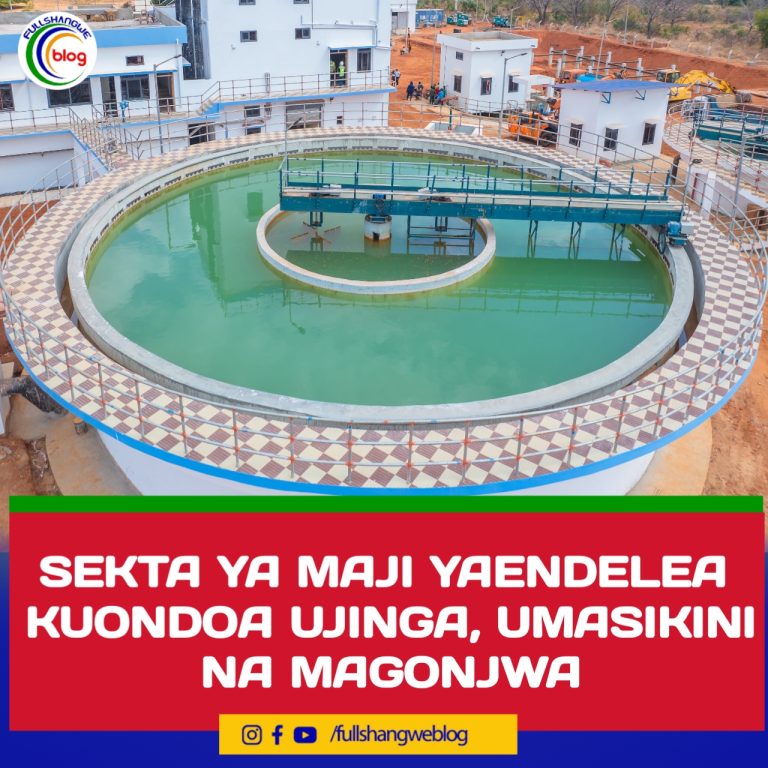
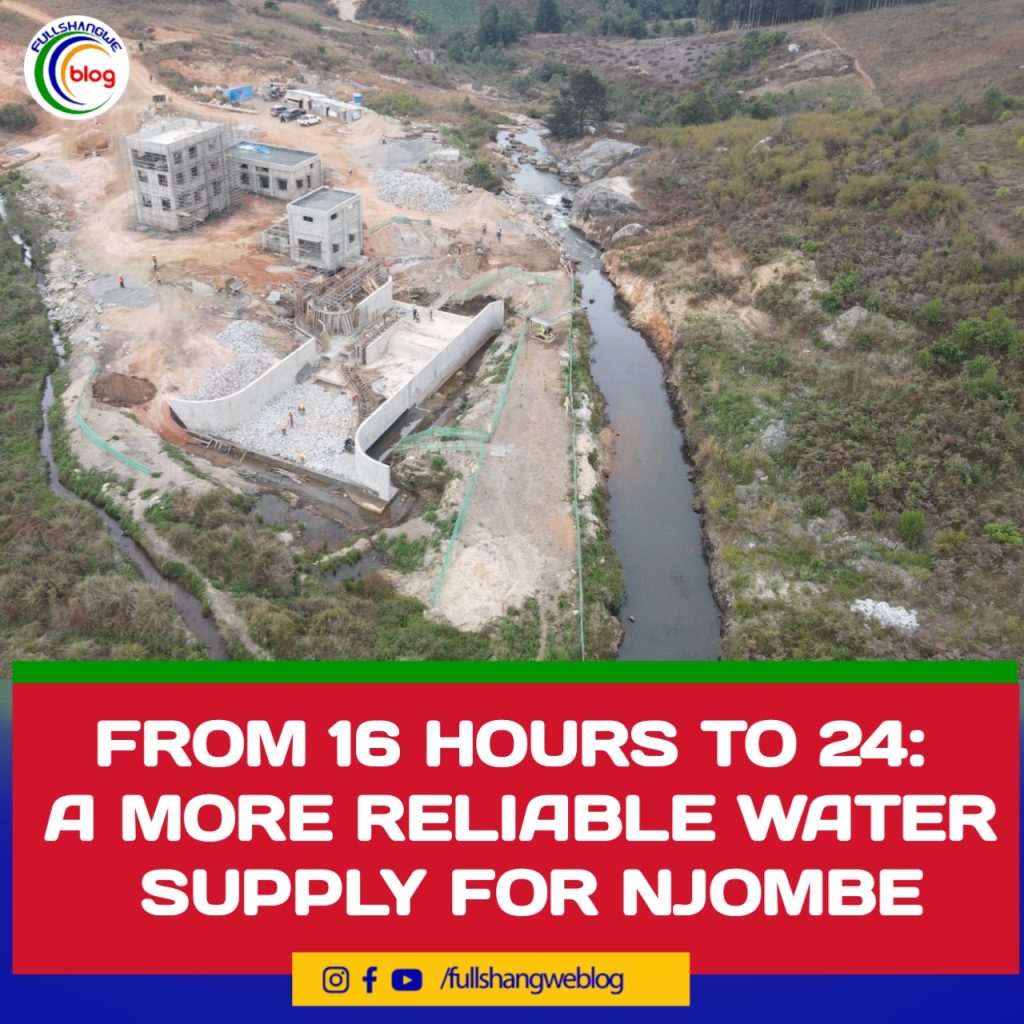
The project includes improvements to water collection, treatment and storage facilities, as well as the pipes that carry water to residents. A 2.1 kilometre pipeline and a two-million litre storage tank were each 95 percent complete. Civil works at the treatment facility, which is designed to produce 11 million litres of water per day, had reached 85 percent completion.
Once complete, the project is expected to add 11 million litres a day to Njombe’s water production. This would bring the Njombe Water Supply and Sanitation Authority’s (NJUWASA) average production capacity to about 17.8 million litres per day. The project is also expected to extend the water network by about 7.3 kilometres, helping more people access the supply.
For residents, one of the most noticeable benefits could be longer service hours. In the areas served by NJUWASA, water is currently available for an average of about 16 hours a day. The project aims to increase this to 24 hours.
A more reliable supply could make daily life easier. Families would have less need to plan household tasks around water availability, while businesses, schools and health facilities could count on water more consistently.
The project is intended to provide clean and safe drinking water as well as increase supply. Its treatment facilities and upgraded network are designed to help deliver water reliably to homes and workplaces.
With overall progress at 71 percent in September 2026, work remains before the project can deliver its expected benefits. Once completed, the expanded supply, network and service hours could make a meaningful difference to residents across Njombe.
The aim is clear: more water, a more dependable service and access to clean, safe water throughout the day.
Tanzania hosts hundreds of water supply, sanitation, irrigation, and climate resilience projects led by governments, regional bodies, and global development partners. These projects aim to expand access to safe drinking water, improve sanitation, strengthen water governance, and enhance climate resilience.
Tanzania’s current water-sector agenda focuses on expanding access, improving infrastructure, and strengthening climate resilience.
East Africa is experiencing a surge in water projects addressing scarcity, contamination, and climate resilience, with initiatives ranging from community-based systems to large-scale regional groundwater management
It has to be noted that the African Union’s Continental Africa Water Investment Programme (AIP) has leveraged $10–12 billion to date toward climate resilient water and sanitation, with a 2030 target of $30 billion in investments benefiting 250 million people and creating 4 million indirect jobs
The 28 Towns Water Supply Project is a major Tanzanian infrastructure initiative. The project aims to deliver reliable, clean water access to 28 towns in mainland Tanzania, addressing chronic water shortages and supporting urban development goals. It is one of the largest water infrastructure projects in the country and a key part of Tanzania’s commitment to the UN Sustainable Development Goals for clean water and sanitation.
Access to water and sanitation are basic human rights. They lay the foundation for good health and prosperity. As per African Medical and Research Foundation (AMREF) water is in fact the entry point for many projects across Africa.
It gives women and girls back some time in their day. It provides peace of mind to community elders and parents, who no longer have to worry about where they can source clean water, whether their girls are being exposed to gender based or sexual violence on the journey for water, or whether their families will fall sick.
It allows girls to go to, and stay in, school because they don’t have to travel to fetch water and they can manage their periods hygienically at school. And in some models, it helps train community members in new skills, offering a livelihood or small income.
Therefore, water means life. Clean water significantly reduces the spread of deadly infections which lead to preventable deaths particularly of children under five.