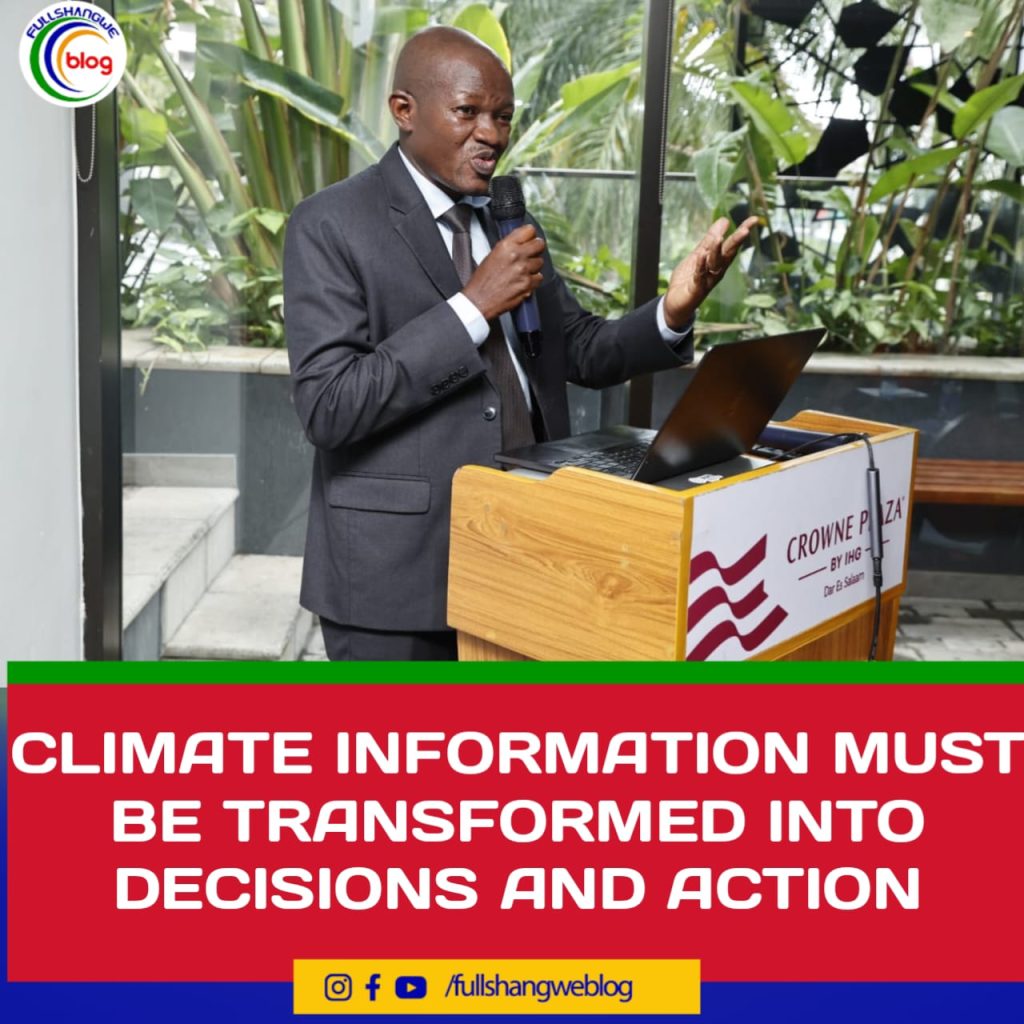
*Dar es Salaam, Tanzania, 06 Oktoba 2026
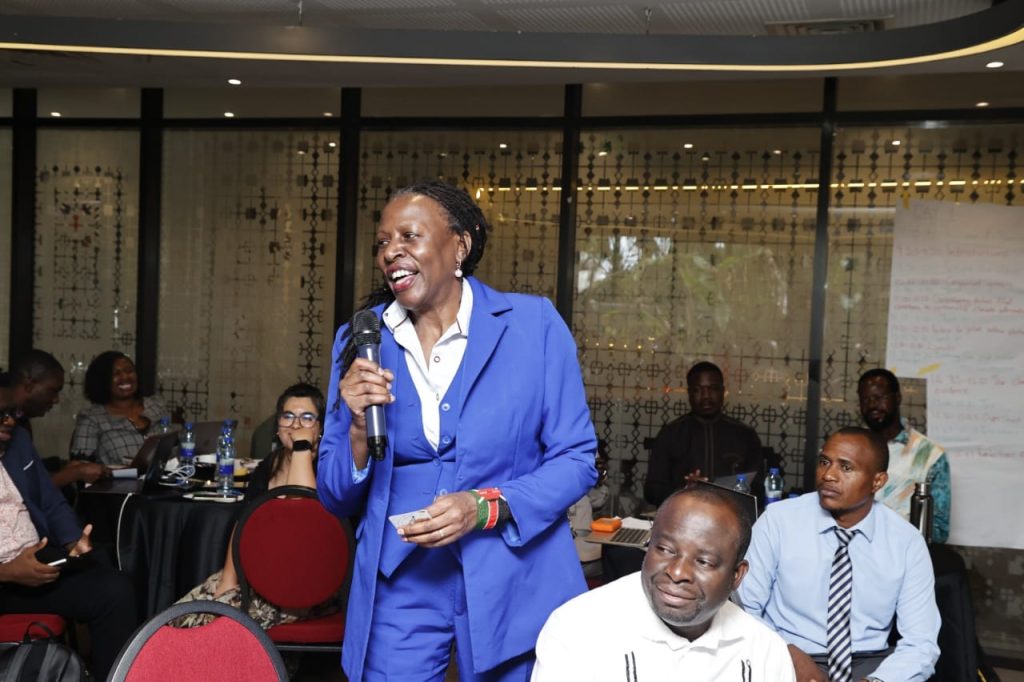
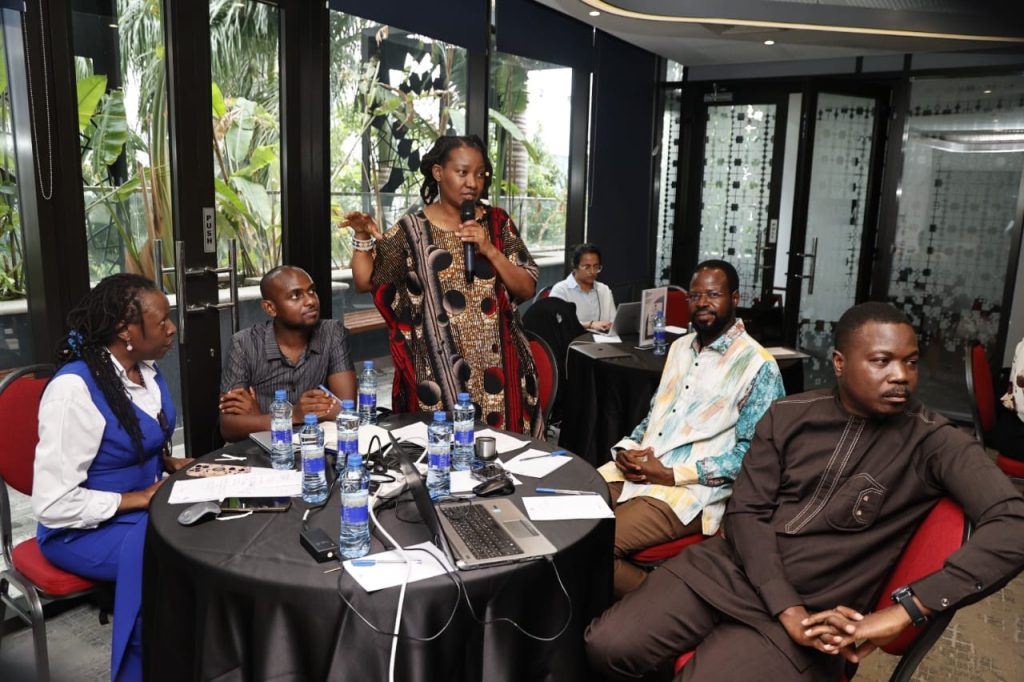
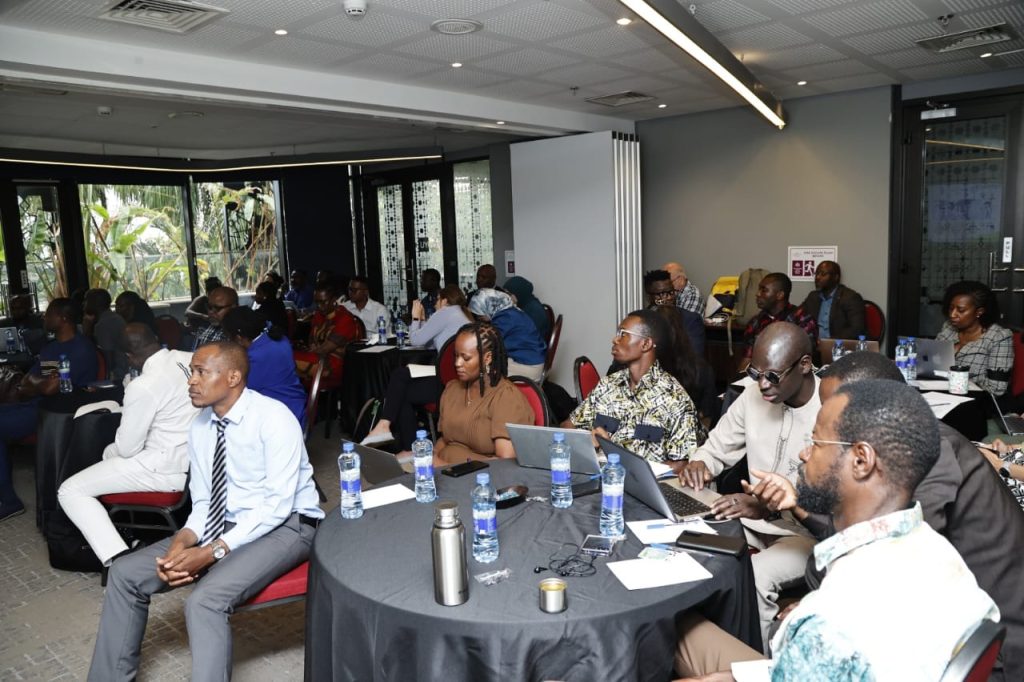
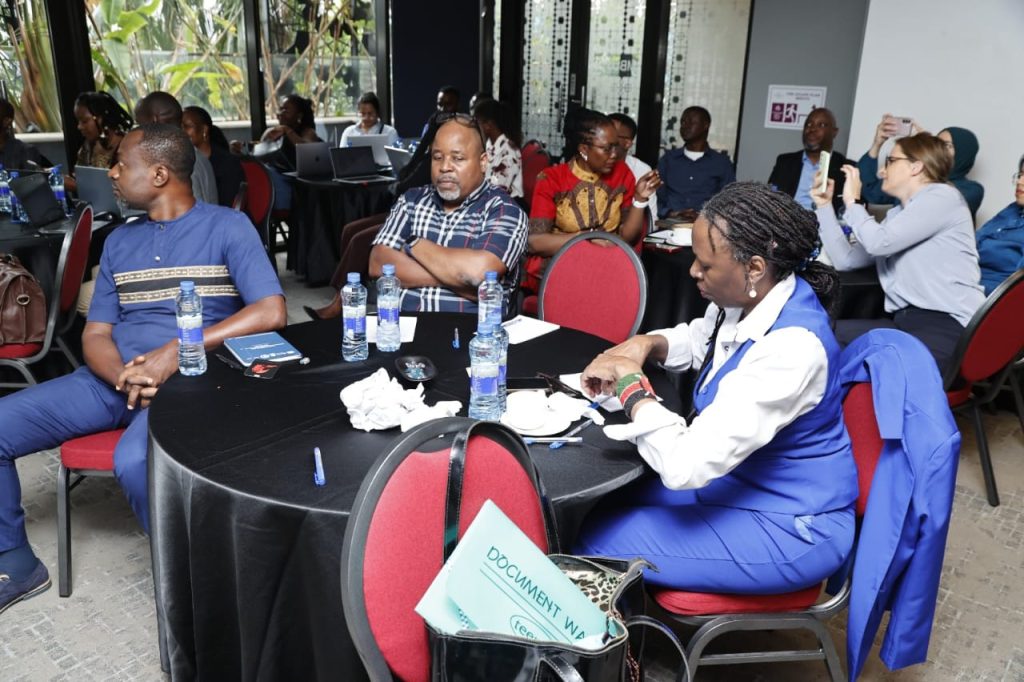
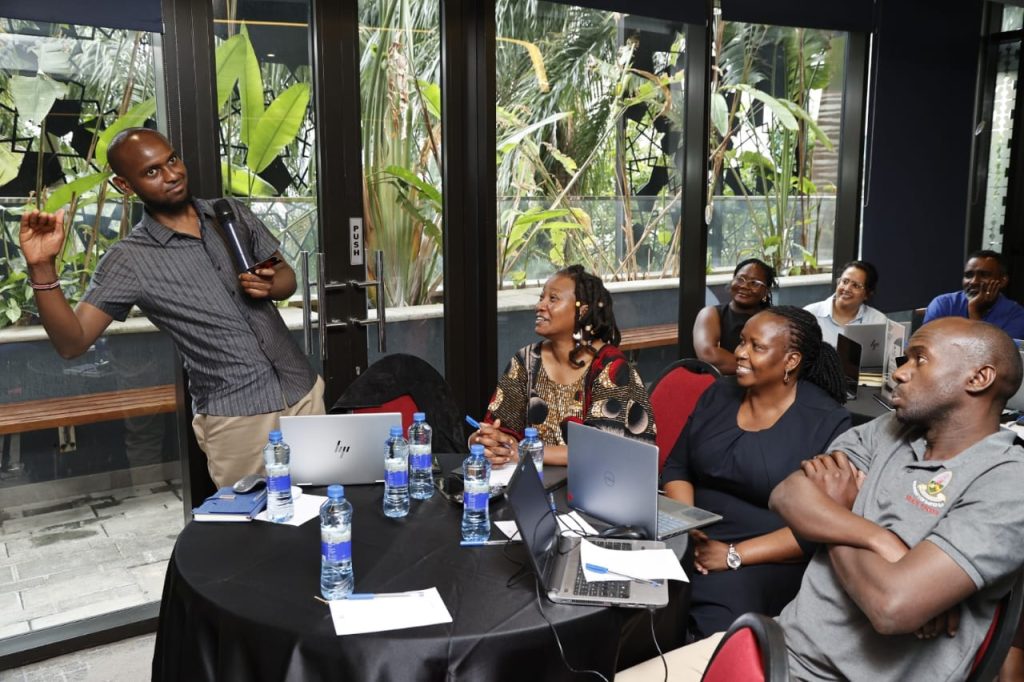
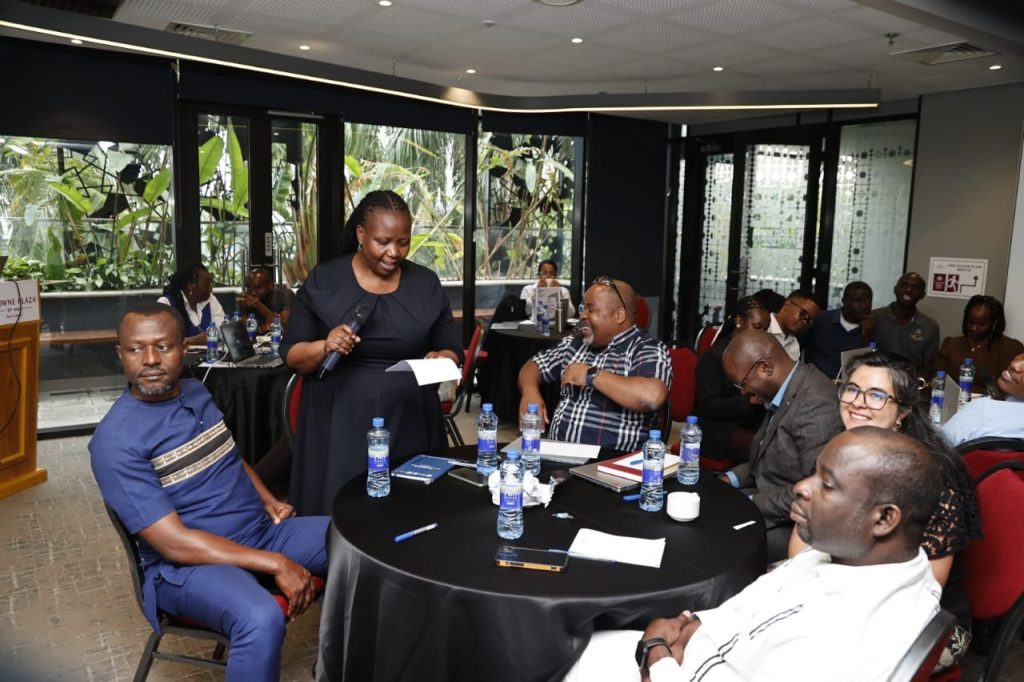
The Tanzania Meteorological Authority (TMA) is hosting a three days Coordinated Regional Climate Downscaling Experiment (CORDEX)-Africa Workshop in Dar es Salaam. The CORDEX workshop provides an opportunity for improving climate resilience and preparedness as climate scientists, researchers, practioners and decision-makers work together to ensure that the climate information is relevant, accessible, usable and positioned to support real-world decision-making.
The workshop was officiated by Dr. Ladislaus Chang’a, the Director General of TMA, who is also the Vice-Chair of the Intergovernmental Panel on Climate Change (IPCC) and the Permanent Representative of Tanzania with the World Meteorological Organization (WMO). In his remarks, Dr Chang’a emphasized the importance of linking scientific research with the practical needs of meteorological information users.
“Climate information is most valuable when it meets the needs of decision-makers and helps governments plan, water managers prepare, health authorities forecast risks, farmers increase productivity, and disaster management institutions take timely action.” Said Dr. Chang’a.
Dr. Chang’a also pointed out the growing scientific evidence of climate change and the associated extreme weather and climate events which are increasing in magnitude and freaquecy. These extremes include the heavy rainfall, flooding, strong wind, tropical storm, drought and heatwaves. He also highlighed on the forecasted strong El Niño 2026/2027 conditions and the need for climate scientists to continue to lead in providing scientific evidence for early warning and preparedness in various socio-economic sectors to reduce or avoid the expected impacts.
The three-day workshop is being attended by participants from many African countries, including participants from Tanzania, South Africa, Kenya, Zimbabwe, Egypt, Senegal, Algeria, Cotedvoire, Burkinafaso, Nigeria, Togo, Ghana, Angola, Malawi, Mozambique, and Cameroon. We also have participants from UK met office.
The workshop also provide opportunity for the experts to discuss ways and mechanism for strengthening the application of research findings into operational climate services at national as well as local government plans. Furthermore, participants are discussing ways to advance scientific collaboration and contribute to the preparation of the IPCC Seventh Climate Change Assessment Report (IPCC AR7). The IPCC Assessment Reports are essential as they provide credible scientific evidence and policy-relevant information that enables governments and stakeholders to formulate and implement policies, strategies and interventions for effective climate change adaptation and mitigation.