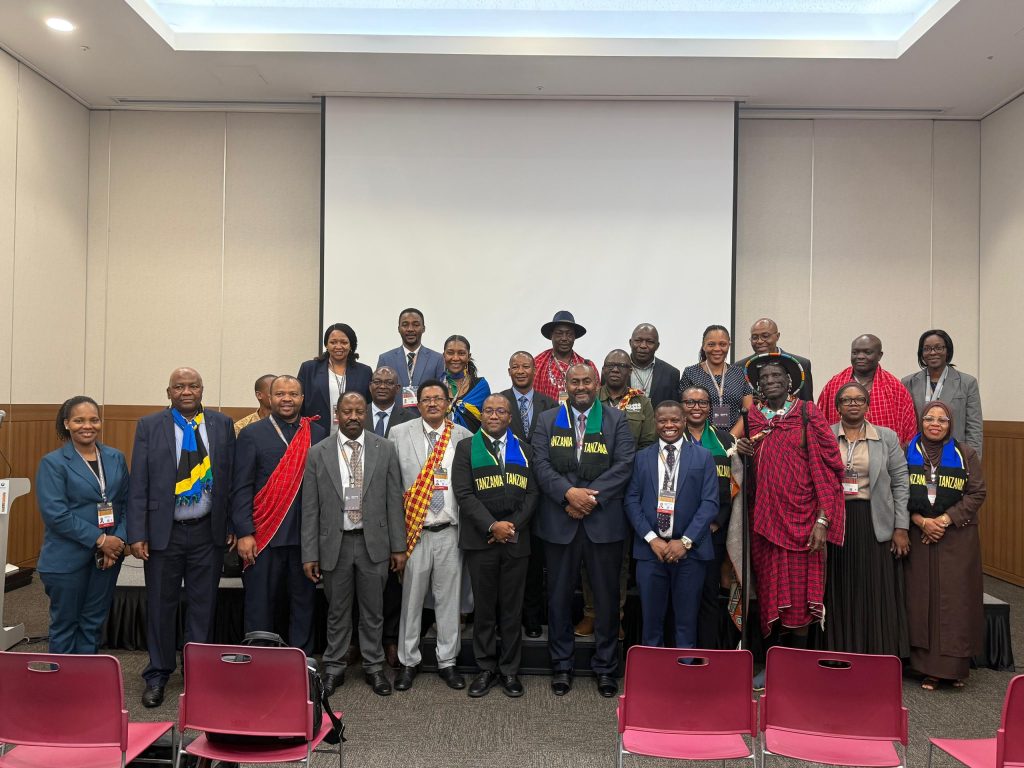
Some places are admired for their beauty. Others are remembered for the stories they hold. Ngorongoro is both. Addressing the 48th Session of the UNESCO World Heritage Committee in Busan, Republic of Korea, the Ngorongoro Conservation Area Authority Conservation Commissioner Abdul-Razaq Badru reminded the world that humanity, like a river, has a source. “A river that forgets its source will one day run dry,” he reflected, calling on us to honour our beginnings if we are to shape a stronger future. In Ngorongoro, the story of humanity is not confined to museums or history books; it lives in the landscapes, the fossils, the footprints and the enduring connection between people and nature.
His message reached far beyond conservation. It was a reminder that understanding where we come from gives us the wisdom to decide where we are going. Ngorongoro is more than a remarkable destination; it is a place where our shared human journey continues to speak across generations. Every preserved footprint is more than an archaeological treasure; it is a quiet conversation between our ancestors and those yet to come, inviting us to learn, to reflect and to protect what belongs to all humankind.
As the world gathered to discuss the future of our shared heritage, one truth stood out with quiet certainty: if the world is one family, then Ngorongoro is one of its earliest homes. Its value reaches beyond borders, beyond cultures and beyond time itself. Preserving Ngorongoro is not simply about safeguarding a World Heritage Site; it is about protecting the place where humanity continues to discover its own story, ensuring that generations yet unborn can still walk in the footsteps of their beginnings.